
Pilates for back pain in Kansas City's Northland
Check with your doctor first. Then we modify the work to fit your back, within your physician's or physical therapist's movement guidelines.
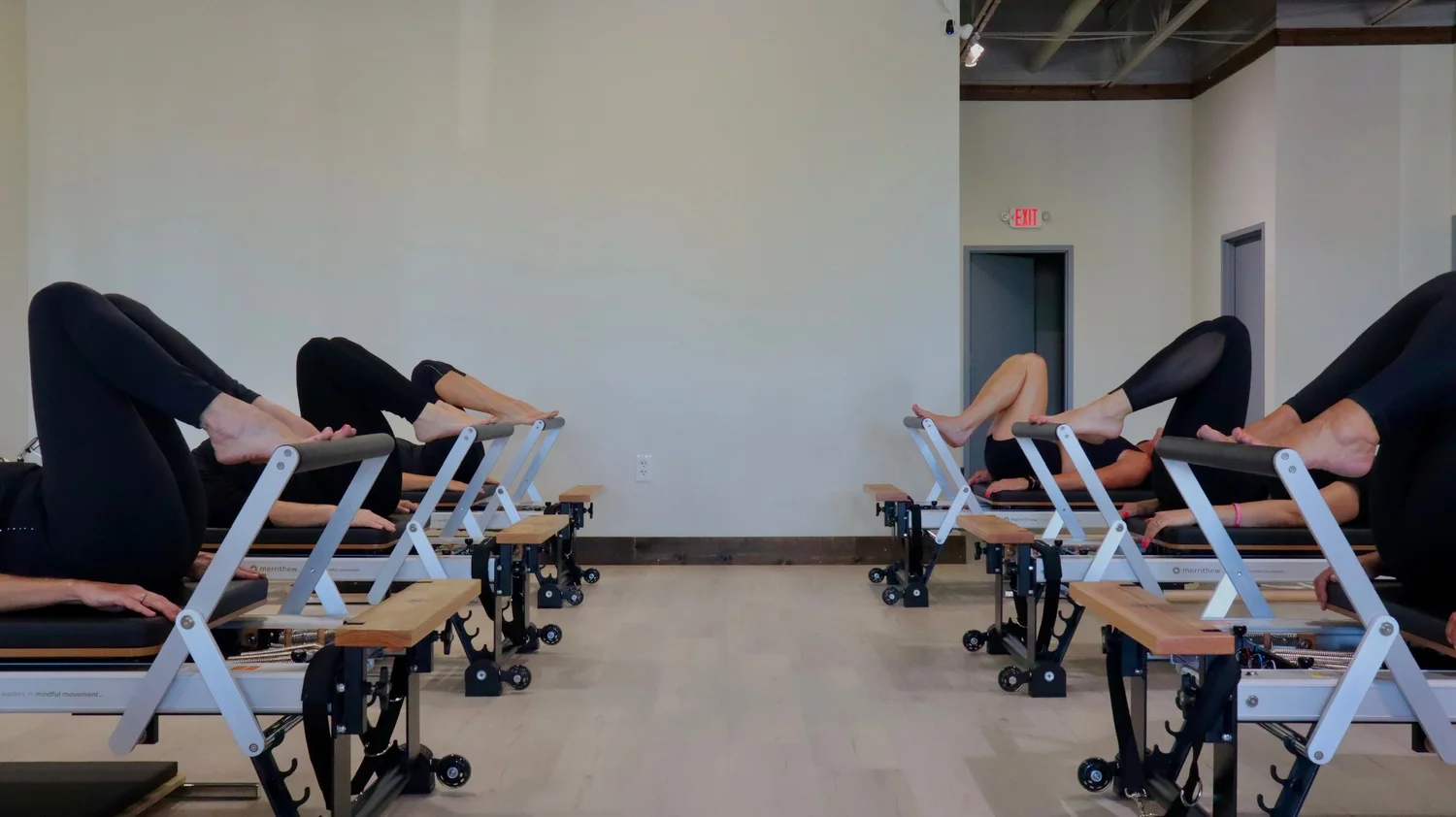
What to expect
Conditions we know
We are familiar with osteoarthritis, fused vertebrae, degenerative disc disease, scoliosis, and spondylosis or spondylolisthesis.
Core strength helps
Pilates is generally beneficial for back injuries, and core strength is usually very helpful for back conditions.
Modifications for you
We have many modifications available, and we are willing to work with your physician or physical therapist.
How to start
Check with your doctor
Get your doctor's guidance before you begin.
Tell us about your back
Share your diagnosis and any movement guidelines with your instructor or with us.
Choose your start
Begin with Reformer Foundations, or ask us about a private session.
Common questions
What if I have a back injury?
Check with your doctor first. Pilates is generally beneficial for back injuries, and core strength is usually very helpful for back conditions. We are familiar with conditions such as osteoarthritis, fused vertebrae, degenerative disc disease, scoliosis, and spondylosis or spondylolisthesis. We have many modifications available within your physician's or physical therapist's movement guidelines, and we are willing to work with them.
Where should I start?
Many people begin with Reformer Foundations, where you learn the basics of the reformer. If you would like one-on-one attention first, ask us about a private session.
Do I need Pilates experience?
No. New clients, and people returning after time away, are welcome, and we begin with where you are today.